Behind the Shutters: How Micro-Grants Are Bringing the Local Parade Back to Life
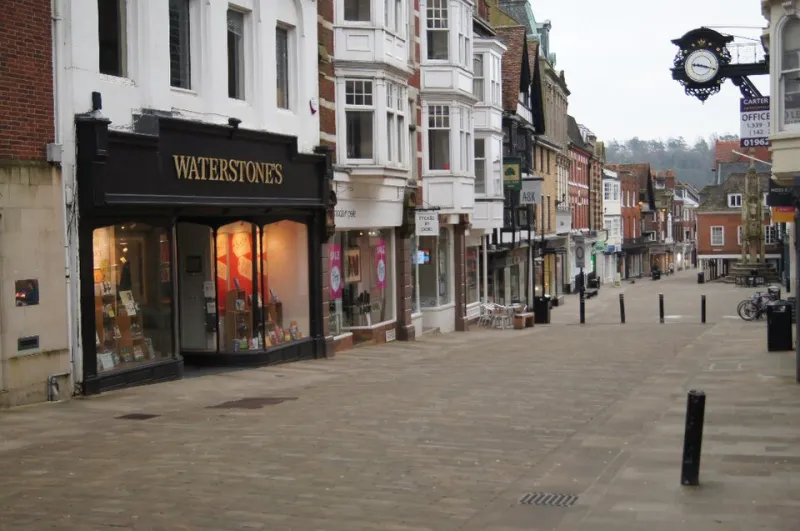
Photo: Fernweh , CC BY-SA 2.0, via Wikimedia Commons
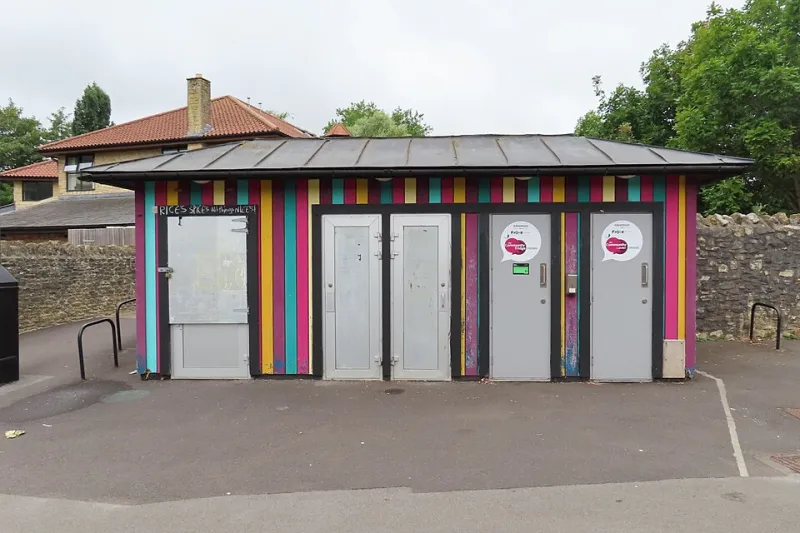
Walk along the parade at the eastern edge of our city and the rhythm is familiar: fourteen units, five with the shutters down, one with a to-let board that has faded in the sun. Yet in three of those supposedly empty windows, the lights are on.
In one, a trestle table and a kettle. In another, a counter and a chalkboard menu. In the third, four desks, a meeting room screen and a queue for the photocopier. All three are charities or community groups holding a short lease on a shopfront they could never have afforded on a conventional high street tenancy.
None of it is glamorous. All of it is civic infrastructure, and micro-grants are paying for it.
An empty unit is not a neutral thing
A vacant shop is rarely just a gap in a terrace. It changes how a parade feels after dark. It pulls footfall towards the units that remain, then away from them. It gives landlords little reason to invest and councils little reason to prioritise.
Meanwhile, the groups that could use that space are usually the ones with the least security: advice charities working from hired rooms, food projects with no fixed address, small consortiums of volunteers who need somewhere private to hold a difficult conversation.
Since 2026 began, a growing share of the enquiries reaching the Fund has come from groups asking for help with rent — not for a five-year commitment, but for six or twelve months in a unit that would otherwise stay dark.
Three ways to use a shopfront
The models we are seeing divide roughly into three.
The first is the pop-up advice hub. A debt and benefits charity with no premises of its own takes a ground-floor unit for two afternoons a week. The grant covers six months of rent, public liability insurance, a laptop and broadband. Clients get a door to knock on rather than a phone line to wait on.
The second is the community café. A food project opens a pay-what-you-can counter, which brings a second benefit: a training kitchen for volunteers working towards food hygiene qualifications. It costs more than it looks — extraction, refrigeration, registration with the council's environmental health team, and a fit-out that a landlord will rarely fund.
The third is the shared workspace. Several small charities take one unit between them, with hot desks and a bookable room. Individually none could carry the overheads; together they can, and the arrangement gives caseworkers somewhere private to sit with people in difficulty.
The hurdles: lease, insurance, planning and rates
The romance of the empty shopfront fades quickly once the paperwork starts.
Leases. Landlords habitually ask for three to five years; community groups need six to twelve months with a break clause. Meanwhile-use agreements and informal licences can bridge the gap, but they offer little security and can be terminated at short notice. Groups should also watch the high street rental auction powers introduced under the Levelling-up and Regeneration Act 2023, which allow councils to auction leases on persistently vacant premises — a route worth understanding before signing anything.
Insurance. Public liability cover of £5 million is a common landlord requirement. Contents, employers' liability and, where relevant, trustee indemnity may all be needed. Many groups assume the landlord's building insurance covers them; it does not.
Planning. Since 2020, most retail, café, office and professional-service uses in England sit within Class E, and movement between them is generally permitted development — but listed buildings, conservation areas and sui generis uses complicate matters, and pavement licences and signage consent are separate again. A short conversation with the local planning authority before signing saves months later.
Business rates. Empty property relief is time-limited; once occupancy begins, liability shifts. Charities benefit from mandatory relief on qualifying premises, plus discretionary relief that varies by council. Small business rate relief may also apply. None of this is obvious to a volunteer treasurer, and all of it affects whether a project survives month seven.
Access and safety. The Equality Act 2010, a fire risk assessment and basic accessibility all apply from day one, even on a short lease.
What needs funding beyond the rent
The mistake funders make is to treat rent as the whole cost. In practice the fragile items are the deposit, the insurance premium, the utility connection, the broadband contract, the signage, and — most often overlooked — a part-time coordinator with the hours to open the door reliably.
There is also the exit. A twelve-month project needs a plan for month thirteen, whether that is renewal, relocation or a deliberate handover. Groups that plan for it negotiate better and close more gracefully.
Measuring more than footfall
Counting people through a door is easy and only mildly useful. The more telling measures are referrals made, repeat visits, volunteers recruited, hours of advice given, and the informal test of whether someone came in for a leaflet and stayed for a conversation.
There is a quieter measure too: whether the parade itself feels different. Whether the lights are on. Whether the bus stop outside has someone waiting under it.
What the Fund can do next
We think there is a case for a dedicated strand of high street micro-grants, somewhere between £1,000 and £7,500, tied explicitly to short-term occupancy and paid in a way that recognises upfront costs.
Beyond the money, three practical offers would help: underwriting insurance premiums directly rather than reimbursing them; funding a shared adviser to sit alongside groups on leases, planning and rates; and requiring, gently, that every applicant describe what happens when the lease ends.
Partnership matters too. Landlords, business improvement districts and town centre teams all hold pieces of this puzzle, and a funder working alone will keep rediscovering the same obstacles.
Shutters up
A parade does not come back to life because one shop reopens. It comes back because enough of them do, and because the people running them are not exhausted by the process of getting in.
Micro-grants will not solve the structural pressures on our high streets. But they can put a light on behind a shutter, and a light on behind a shutter is where most civic recovery begins.