The Mayor's Hope Fund Grant stories and civic impact from our city

The Mayor's Hope Fund

Grant stories and civic impact from our city

Latest Articles

When the Renewal Letter Lands: Insurance as a Grant Priority, Not an Afterthought
Grant-Making Insight

When the Renewal Letter Lands: Insurance as a Grant Priority, Not an Afterthought

Public liability and buildings cover are among the least glamorous lines in any community budget, and among the first to be overlooked. As premiums move again in 2026, we consider why a dedicated insurance allowance deserves a place in grant applications — and what groups and funders can do to plan for it.


What Groups Ask Us as Winter Closes In: Seven Straight Answers from the Grants Team
Winter Appeal

What Groups Ask Us as Winter Closes In: Seven Straight Answers from the Grants Team

As November draws on, our inbox fills with the same practical questions from small groups preparing for winter. Rather than answer them one by one, we have set out seven of the most common — with honest answers on budgets, reporting, energy costs and volunteer capacity.

Keeping the Lights On and the Kitchen Warm: A Case for Funding the People Who Hold Places Together
Civic Impact

Keeping the Lights On and the Kitchen Warm: A Case for Funding the People Who Hold Places Together

Small grants often pay for activities and equipment but stop short of the paid roles that make them possible. Drawing on two 2026 examples, we argue that a part-time cook or caretaker can be the difference between a project that survives and one that quietly closes.

Room to Speak: The Case for Monitoring Visits That Begin with Listening
Grant-Making Insight

Room to Speak: The Case for Monitoring Visits That Begin with Listening

Monitoring a small grant is not the same as auditing it. This article sets out why The Mayor's Hope Fund is making room for relationship-based visits in 2026 — and how a conversation in a group's own space can reveal what a spreadsheet never will, without turning hospitality into a condition of funding.

Awarded, Not Victorious: Writing Grant Decisions That Respect the Street
Grant-Making Insight

Awarded, Not Victorious: Writing Grant Decisions That Respect the Street

A reflective look at how the language of winning and losing can distort a local grant round, especially when neighbours apply at the same time. Drawing on panel experience, it offers practical alternatives for letters, web copy and announcements that keep dignity and transparency at the centre.

Who Opens the Door When the Keyholder Cannot?
Grant-Making Insight

Who Opens the Door When the Keyholder Cannot?

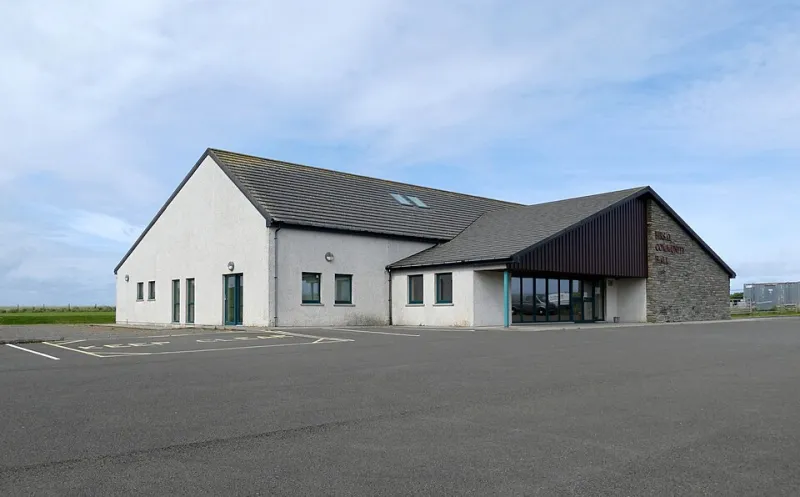
Many small community buildings depend on one trusted volunteer who holds the keys, alarm codes and practical know-how. This article considers how applicants and funders can plan for succession, share access responsibly and budget for simple lock-and-alarm improvements before a single absence closes a vital local space.

The Ground Beneath the Grant: Why Tenure Security Shapes Capital Funding
Grant-Making Insight

The Ground Beneath the Grant: Why Tenure Security Shapes Capital Funding

A capital grant can repair a roof, replace a boiler or open a new front door. It cannot, on its own, keep a building in community hands. This article examines why the lease behind the project deserves as much attention as the works themselves, and how funders and groups can approach tenure honestly.

A Question Worth Asking: Listening for Hope in Our 2026 Grant Reports
Grant-Making Insight

A Question Worth Asking: Listening for Hope in Our 2026 Grant Reports

Outputs tell us what happened; a simple question about hope can tell us whether it is likely to continue. This article considers how the Mayor's Hope Fund could add a short, optional qualitative reflection to 2026 reporting without burdening small groups.

The Paperwork Behind the Welcome: Why Compliance Costs Belong in Every Grant Budget
Grant-Making Insight

The Paperwork Behind the Welcome: Why Compliance Costs Belong in Every Grant Budget

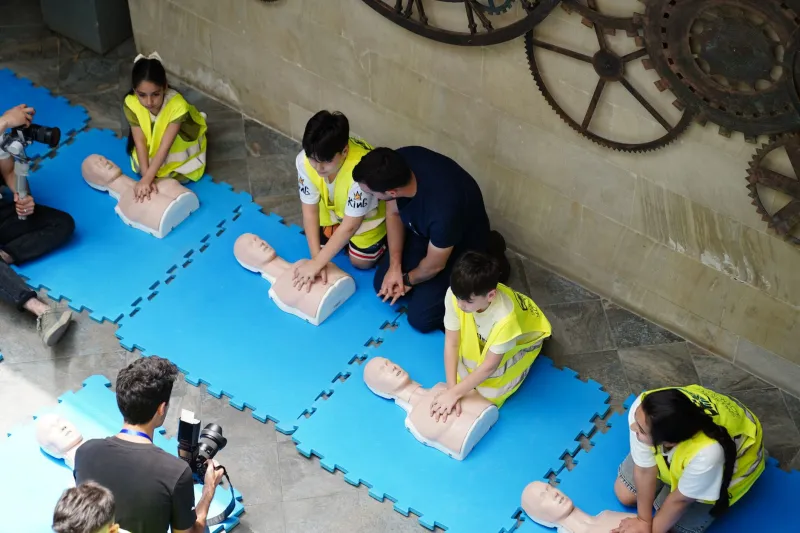
A warm room, a full tea urn and a reliable team of volunteers can still be undone by an expired certificate in a drawer. This piece examines the unglamorous compliance costs that small community groups carry — from DBS checks to food hygiene, first aid and insurance — and argues that funders should name them openly in grant budgets rather than treating them as an afterthought.

The Shed Behind the Hall: Why Storage Deserves a Line in the Grant Budget
Grant-Making Insight

The Shed Behind the Hall: Why Storage Deserves a Line in the Grant Budget

Community groups can win funding for tables, gazebos and children’s activity kit, only to find that no one will pay for somewhere safe to keep it. This article examines the hidden infrastructure of storage, insurance and access, and asks how The Mayor’s Hope Fund can treat ‘a place to put the keys’ as a legitimate part of civic grant-making in 2026.

The Balance Left Behind: Fairness, Flexibility and Grant Underspend
Grant-Making Insight

The Balance Left Behind: Fairness, Flexibility and Grant Underspend

An unspent grant balance is often read as a failure of delivery. At The Mayor’s Hope Fund, it is better understood as a moment that tests the fairness and flexibility of a funding relationship. This article sets out why underspend happens, how the fund decides whether to reclaim, extend or recycle a balance, and what funded groups should expect when their plans change.

The Chair No One Fills: Why Some Neighbourhoods Stay Outside the Grant Process
Grant-Making Insight

The Chair No One Fills: Why Some Neighbourhoods Stay Outside the Grant Process

Some communities never approach The Mayor's Hope Fund, not because they lack need but because the process feels distant, risky or simply unknown. This article examines the reasons behind that silence and sets out practical, transparent ways to widen the front door without pretending a grant fund can solve everything.

One Ladder, Many Homes: Financing the Kit That Communities Share
Grant-Making Insight

One Ladder, Many Homes: Financing the Kit That Communities Share

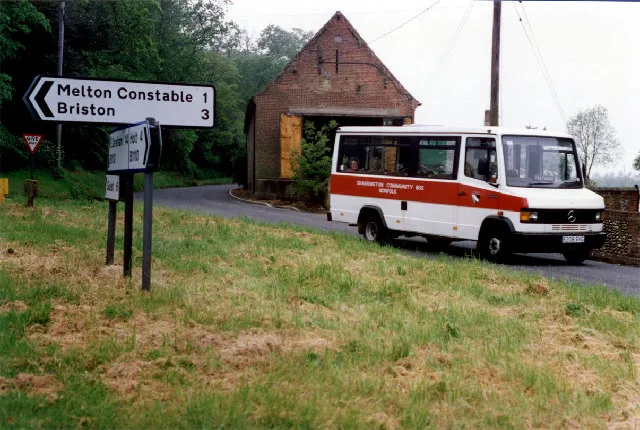
A borrowed PA system can save a village fete; a pooled minibus can keep a lunch club running. This article examines how micro-grants can support shared community equipment fairly, with clear rules on booking, maintenance and insurance — and without leaving small groups carrying risks they never agreed to.

When the Carols Stop: Steadying Community Groups Through the January Gap
Grant-Making Insight

When the Carols Stop: Steadying Community Groups Through the January Gap

The weeks after Christmas are the quietest of the year for community fundraising, yet they carry some of the heaviest running costs. This piece looks at why the January gap deserves a place in how mayoral community funds are designed, and sets out practical steps local groups can take to steady their finances into the new year.

The Paper Trail to Fairness: Keeping a Human Front Door on a Digital Fund
Grant-Making Insight

The Paper Trail to Fairness: Keeping a Human Front Door on a Digital Fund

A digital portal can make a grant fund faster, but it can also quietly narrow who reaches it. In 2026, The Mayor's Hope Fund reflects on handwritten forms, missed uploads and last-minute envelopes — and why paper, phone calls and in-person help remain practical safeguards for fair grant-making.

The Missing Second Name: When Signatory Rules Decide Who Gets Funded
Grant-Making Insight

The Missing Second Name: When Signatory Rules Decide Who Gets Funded

A grant can be approved and still fail to reach a community group. In 2026, the quiet mechanics of bank mandates and authorised signatories are shaping who gets funded — and The Mayor's Hope Fund is rethinking how it safeguards money without shutting out the smallest groups.

Around the Table: What a Grants Panel Day Reveals About Fair Decisions
Grant-Making Insight

Around the Table: What a Grants Panel Day Reveals About Fair Decisions

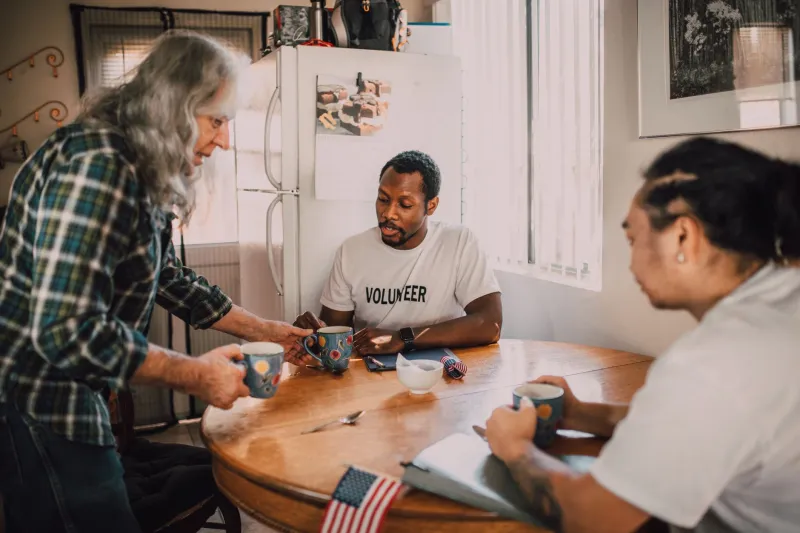
A behind-the-scenes account of one grants panel day at The Mayor's Hope Fund, from the papers on the table to the final recommendation, and what applicants would learn if they could sit in the room. It is a story about structured human judgement, not a perfect formula.

Beyond the Final Instalment: Building an Exit That Leaves Groups Stronger
Grant-Making Insight

Beyond the Final Instalment: Building an Exit That Leaves Groups Stronger

When a small community group reaches the end of a grant, the final payment can feel less like a conclusion and more like a cliff edge. Drawing on conversations with past recipients and our own 2026 experience, this article argues for earlier exit planning, practical handover support and honest conversations about sustainability from the first application onwards.

Before the Doors Open: Why Transport Belongs in the Grant Budget
Grant-Making Insight

Before the Doors Open: Why Transport Belongs in the Grant Budget

A grant can pay for the room, the refreshments and the activity, yet still fail if people cannot get through the door. This article examines the quiet transport costs that shape whether funded work happens — and how The Mayor’s Hope Fund is learning to ask about the journey as well as the event.

Time Counted, Fairly: Volunteer Hours and Match Funding in 2026
Grant-Making Insight

Time Counted, Fairly: Volunteer Hours and Match Funding in 2026

Volunteer time is often treated as match funding, but the way we count it can quietly favour groups with formal rotas and back-office capacity. This article sets out the practical and ethical tensions, how other UK civic funds approach the issue, and a clearer method for 2026 and beyond.