Warm Rooms and Hard Choices: A Transparent Look at Our 2026 Winter Grants
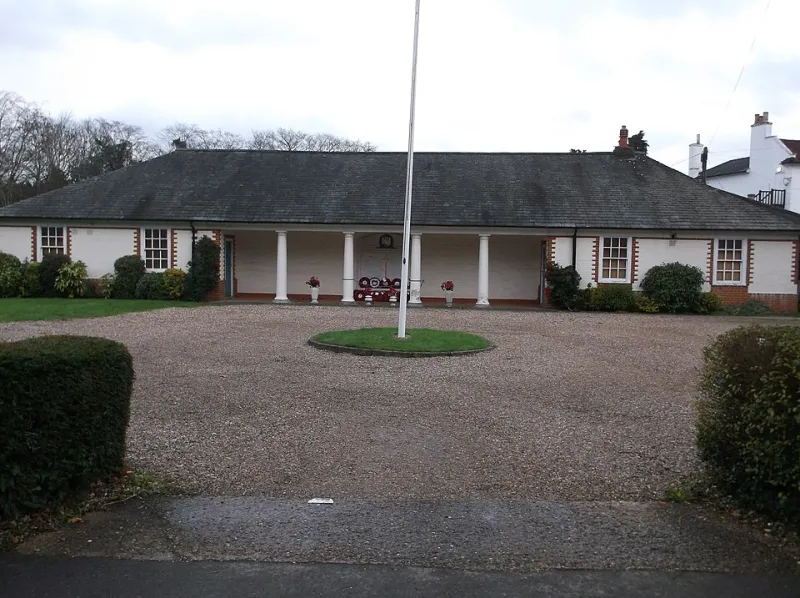
Photo: Harry Mitchell, CC BY 4.0, via Wikimedia Commons
November has arrived with the kind of cold that settles into brickwork. For many households in our city, the question is not whether to turn the heating on, but for how long, and what else will have to go unpaid to afford it. The Mayor's Hope Fund's winter crisis grants exist for that moment: a modest, fast, dignified intervention when a household or a community space is close to breaking point.
Why winter grants matter in 2026
The energy system has changed since the worst of the price shocks, but the pressure has not lifted for everyone. Standing charges, debt repayments and the legacy of high bills mean that a cold snap can still tip a careful budget into crisis. Prepayment meters remain a particular concern; we hear of households rationing hot water and parents keeping children home from school because a warm coat or a hot meal is not guaranteed.
The fund does not pretend to solve the energy market. It does something narrower and, we believe, essential: it helps people get through the next fortnight safely. That might mean a fuel voucher, a new boiler part for a community hall, or a small grant that lets a warm hub stay open on Saturdays.
From referral to front door
Winter crisis grants are designed to be quick. Most applications reach us through trusted local partners — Citizens Advice, schools, health visitors, housing officers and faith groups — who already know the household's circumstances. We ask for the minimum information needed to make a decision, and we aim to respond within days rather than weeks.
The grants are deliberately flexible. A family might need help with a meter top-up and a slow cooker. An older resident might need a blanket, a draught excluder and help contacting their supplier. A community centre might need to cover the extra cost of keeping its doors open as a warm space. Local knowledge decides what will make the difference; our role is to provide the resource and stay out of the way.
Three stories behind the figures
Names have been changed, but the circumstances are not unusual.
Amina, a mother of two in the east of the city, was referred by her children's school after a teaching assistant noticed that the family had been missing appointments. The gas meter had run out during a cold week. A winter crisis grant covered a top-up and a small emergency food shop. 'It was not a lot of money,' she said, 'but it meant I could stop panicking and start planning again.'
David, a retired driver in the north of the city, lives alone in a Victorian terrace that is expensive to heat. After a fall, he was reluctant to put the heating on because he was worried about the next bill. A grant paid for a draught-proofing pack and a session with an energy adviser, who helped him apply for a supplier's warm home discount. 'I had been putting on extra jumpers and pretending I was fine,' he said. 'The adviser treated me like a person, not a problem.'
The Bridge Community Centre, a small hall near the ring road, used a grant to extend its opening hours during the coldest weeks. It now runs a Wednesday warm space with soup, Wi-Fi and a listening ear. The centre's coordinator told us that the grant did more than pay a heating bill: 'It gave our volunteers permission to keep going. People are coming in who would never go to a formal advice service. They stay for a cup of tea and leave with a benefit check.'
Where the money goes
Transparency matters, especially when money is tight. For every £1 donated to the 2026 winter appeal, our current allocation is:
- 64p for direct household crisis grants, including fuel vouchers and emergency payments;
- 18p for community warm spaces, including hall hire, heating and refreshments;
- 10p for advice and casework, so that a crisis payment is linked to a longer-term solution;
- 5p for practical items such as blankets, slow cookers and draught excluders;
- 3p for administration and safeguarding.
We publish these proportions because donors deserve to know what their giving can achieve. We also know that the need is not evenly spread. Some wards have more referrals than others, and some community groups are too small to bid for larger funds. That is why our panel includes local people who can speak to the pressures on the ground.
The gap between need and reach
This winter, referrals are arriving earlier than they did last year. That is not a political point; it is an operational one. More people are coming to us with energy debt, and more community spaces are asking for help to stay open. We would rather say so plainly than imply that a small fund can meet every request.
The Mayor's Hope Fund is not a substitute for national policy or council services. It is a civic safety net, woven by neighbours, volunteers and donors who want to act locally. That safety net only holds if it is replenished.
How you can help
You can donate to the 2026 winter appeal, but you can also raise money with colleagues, neighbours or a faith group. You can share our grant stories with someone who might need them. And if you run a community space, you can talk to us about what would help you stay open.
Winter is not an abstract season. It is a series of small, practical decisions: whether to heat the living room, whether to invite a neighbour in, whether to keep the hall lights on for one more hour. The Mayor's Hope Fund exists to make those decisions a little less lonely. Please help us keep the warmth on.