Beyond the Ribbon-Cutting: Why Small Grants Must Cover the Everyday
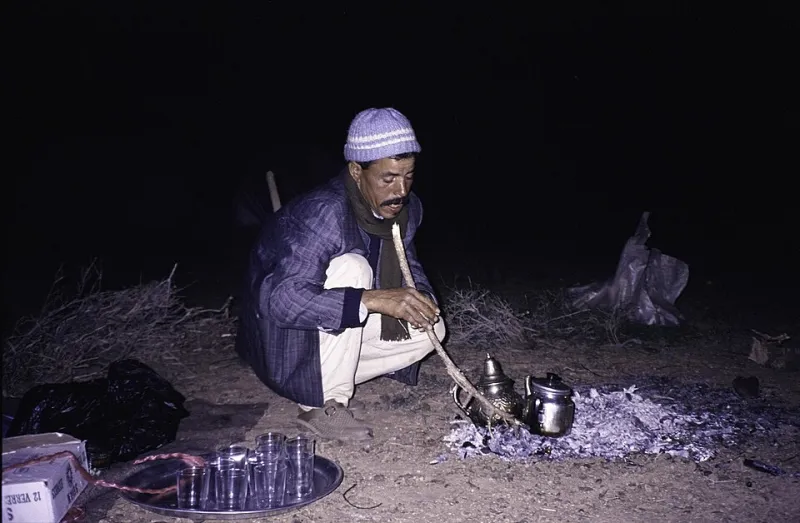
Photo: Unknown, CC BY-SA 4.0, via Wikimedia Commons
At the opening of a refurbished community hall, the photographs gather around the ribbon. The new kitchen appears in the background. No one takes a picture of the tea urn. Yet the tea urn is often the reason people come back. For small grassroots groups, the unglamorous essentials—heating, insurance, room hire, volunteer expenses, accountancy, safeguarding training and, yes, tea—are not overheads in any meaningful sense. They are the conditions that make activity possible.
The fundable photograph and the unfundable invoice
Grant-making has a bias towards the visible. A funder can visit a project, see new equipment and count participants. It is harder to photograph a public liability insurance premium or an electricity bill. So we ask applicants to describe named projects with clear outputs. This is not dishonest, but it creates a distortion. Groups learn to slice continuous activity into artificial projects, and to present the parts that look fundable while hiding the costs that keep them going.
What the boring bits pay for
Consider a weekly lunch club for older residents in a church hall. The grant may be modest: hall hire, heating, public liability insurance, DBS checks for volunteers, volunteer travel and the tea, milk and biscuits. Remove any one of those and the club either closes or the volunteers pay from their own pockets. The visible outcome is a room full of people. The invisible input is a budget for boring things.
Consider a youth theatre. The performance is the photograph. The safeguarding training, hall hire, music licence and volunteer expenses are the reason the performance can happen. Consider a tenants and residents association. Its project is a meeting. The meeting needs a room, insurance, printing and perhaps an accountant to sign off the annual accounts. These are not luxuries. They are the civic infrastructure of a neighbourhood.
The cost of pretending projects have no core
When funders refuse core costs, groups cross-subsidise. They run raffles, bake sales and collection tins. They ask volunteers to cover petrol and buy biscuits. They spend unpaid hours assembling applications and chasing receipts. A small grant can cost more in volunteer time than it provides. This is not resilience. It is a hidden subsidy from people who can least afford it, and it favours groups with professional grant-writers, reserves or a paid administrator. Smaller, older, disabled and minority-led groups are often left behind.
Trust-based grants are not a blank cheque
Trust-based funding is sometimes caricatured as writing a cheque and hoping for the best. That is not what we mean. It means asking what a group needs to keep going, assessing that honestly, paying promptly and reporting simply. It means recognising that a £500 grant for hall hire and insurance can be monitored with a short budget and a brief conversation. Proportionate scrutiny is not no scrutiny. For small sums, it is better scrutiny than a form that demands a receipt for every teabag while ignoring the volunteer hours that made the application possible.
The Mayor's Hope Fund should test this approach. We could offer a modest allowance for core costs within small grants, a simple route for running costs, and reporting that asks what changed rather than whether every invoice matches a line. We should publish what we learn. If it does not work, we should say so. But the case for trying is strong.
The public interest in the everyday
Public money and donated money must be well spent. But well spent does not always mean visible. Keeping a hall warm so 30 people can meet is a civic outcome. Paying insurance so a youth group can run is a civic outcome. Covering a volunteer's bus fare so they can support a neighbour is a civic outcome. As winter approaches, the heating bill is not an administrative detail. It is the difference between a warm room and a closed door.
Funders often talk about outcomes. The outcome of paying the electricity bill is that the lights stay on. That may sound modest. It is also the foundation of everything else.
A different question for funders
Instead of asking what will this grant buy, funders should ask what will this grant make possible. For many groups, the answer is not a new piece of equipment. It is a year of meetings, a warm hall, an insured trip, a trained volunteer and a cup of tea. The tea is not trivial. It is the beginning of the conversation. Funders should be willing to pay for it.