Keeping the Lights On and the Kitchen Warm: A Case for Funding the People Who Hold Places Together

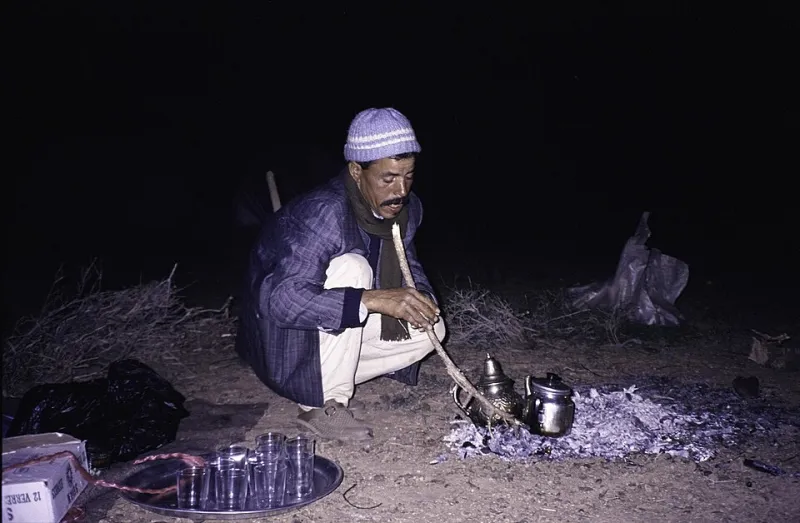
Photo: Dietmar Rabich, CC BY-SA 4.0, via Wikimedia Commons
There is a particular kind of grant application that arrives with a familiar gap. The group has costed the ingredients, the room hire, the craft materials and the sessional facilitator. It has thought carefully about who will attend and what they will do. What it has not costed is the person who opens the building, turns on the heating and makes sure the kitchen is safe. That role is often paid, often part-time, and almost always missing from the budget. In 2026, we think it is time to talk about why.
The Budget Line That Isn't There
Community grants have become very good at funding activity. They are less comfortable with core costs. Insurance, utilities, administration and paid staff are frequently treated as overheads that a well-run group should somehow absorb. In practice, many small organisations cannot absorb them. They run on a mixture of goodwill, small donations and the unpaid labour of trustees. When a paid role falls away, the activity does not simply become cheaper. It becomes fragile.
What a Cook Actually Does
Consider a lunch club in the east of the city. It serves around forty older residents each week. For years, its grant covered food and a small contribution to hall costs. The cooking was done by a rota of volunteers, supported by a part-time cook who worked twelve hours a week. When the cook retired in early 2026, the rota held for a few weeks and then began to break. Two volunteers returned to work; one had a caring responsibility; another simply found the physical demands too much. Attendance fell. The club did not close in a dramatic way. It became smaller and quieter, and the people who needed it most stopped coming.
A new grant allowed the club to advertise the cook's post properly and to pay a slightly higher hourly rate. The difference was not only in the kitchen. The cook knew which members needed a softer meal, which ones had missed a week, and which ones needed a word at the door. That knowledge is not a luxury. It is the service.
What a Caretaker Actually Prevents
A second example comes from a community hall in the south of the city. The hall had a caretaker for ten hours a week. The role was never funded by a single grant; it was pieced together from room hire income and small donations. When the caretaker left, the hall committee tried to cover the work themselves. The building stayed open, but bookings began to slip. The heating was not set correctly, the storage cupboard became chaotic, and a regular exercise group moved elsewhere after a cold session in February.
A small grant funded the caretaker's hours for six months. The change was immediate and unglamorous: the hall was warm, the chairs were where they should be, and the smaller groups that could not afford a full-time janitor felt able to return. The grant did not pay for a new activity. It paid for the conditions in which existing activities could continue.
The Objection: We Fund Activities, Not Staff
The objection is understandable. Funders worry about creating dependency, about paying salaries that cannot be sustained, and about favouring organisations that already have some infrastructure. These are legitimate concerns. But they are not arguments for ignoring core roles altogether. They are arguments for funding them carefully: with clear hours, fair pay, defined responsibilities and an honest conversation about what happens when the grant ends.
A part-time cook is not a substitute for statutory care. A caretaker is not a substitute for a facilities budget. But in a small community building, they are the human mechanism that turns a grant into a service. Without them, the activity is a plan on paper.
A Fairer Test
When we assess an application, we could ask a different question: what would it take for this activity to run reliably for twelve months? Sometimes the answer is equipment. Sometimes it is a sessional worker. Sometimes it is a cook, a caretaker or an administrator. None of these answers should be embarrassing. A funder that only pays for the visible hour of activity is funding the tip of a much larger structure.
The Cost of a Vacancy
The cost of not funding these roles is rarely captured in a spreadsheet. It appears as a lunch club that shrinks, a hall that goes cold, a volunteer who stops answering emails. It appears as the slow loss of the place itself. In 2026, with energy costs and volunteer capacity still under pressure, that cost is becoming harder to ignore.
A Modest Shift
We are not proposing that every grant should fund salaries in perpetuity. We are proposing that core staff should be a legitimate line in the budget, discussed openly and funded where they are the thing that holds the work together. A part-time cook, a caretaker, a administrator: these are not overheads in the pejorative sense. They are the people who keep the lights on and the kitchen warm. A grant that recognises them is a grant that understands how community life actually works.